
Market Update
Merchant solar and mining offtake: how Zambia is rewriting the bankability playbook
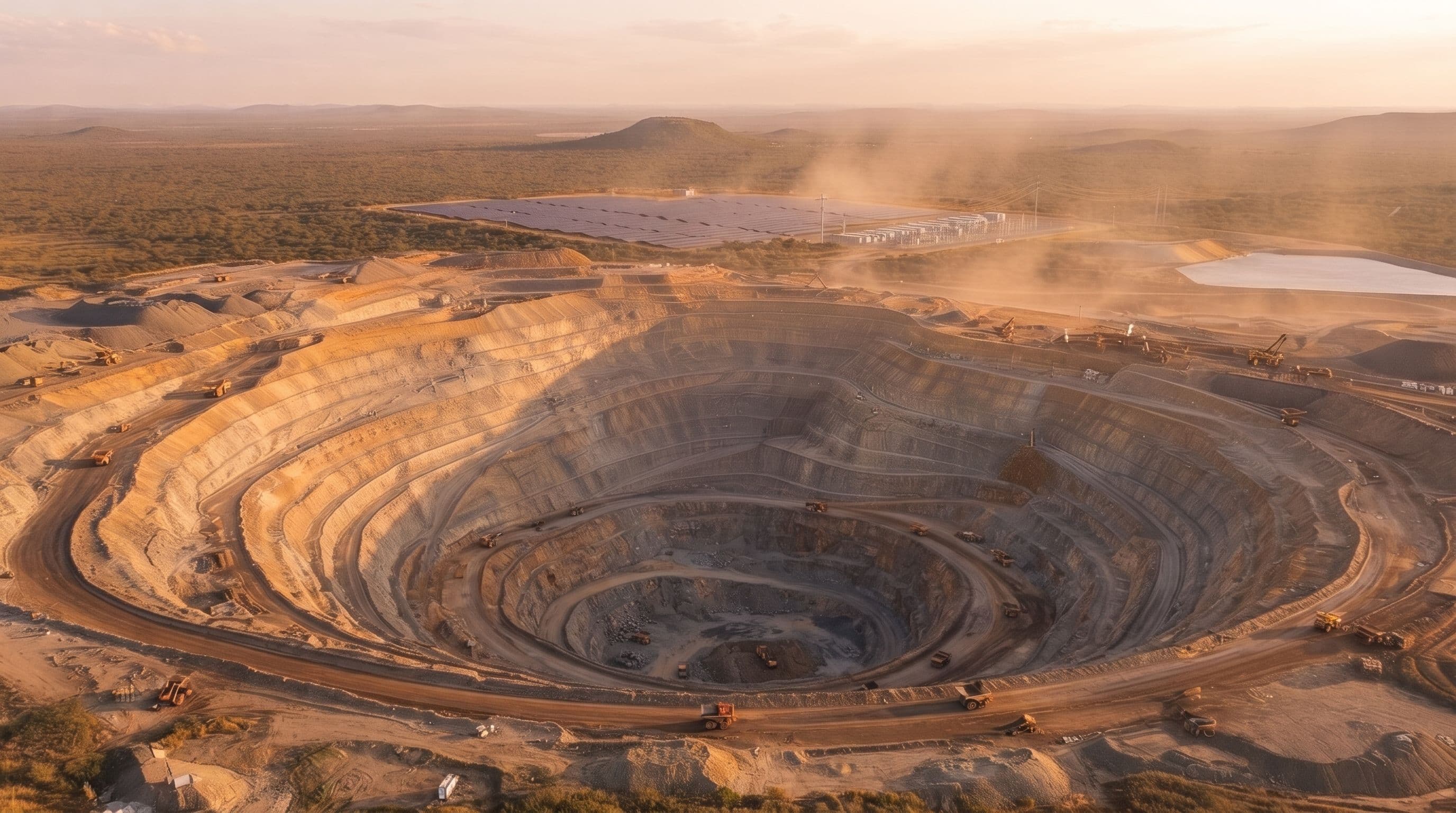
The most interesting thing happening in Zambian energy right now is not a policy document — it is a set of deals that would have been unthinkable three years ago. Zambia has become one of the first markets in Sub-Saharan Africa to finance utility-scale merchant solar: projects reaching financial close without a traditional long-term utility power purchase agreement. The Ilute solar project's close as a market-based IPP, alongside a second merchant plant, marks a genuine shift in how African solar can be funded.
Merchant and privately-contracted structures are being pulled forward by one force above all others: copper. Zambia produced roughly 890,000 tonnes last year and is targeting up to 3 million tonnes by 2031. That trajectory is impossible on a hydro-dependent, drought-exposed grid, and the mining sector knows it. The result is an unprecedented level of PPA activity, much of it anchored by industrial offtakers who need firm, clean power and can carry stronger credit than the utility.
The construction pipeline reflects the momentum. The 136 MW Itimpi II plant — Zambia's largest — was switched on in May 2026, and a 250 MW solar project paired with 150 MW / 600 MWh of battery storage broke ground in April 2026. Storage is the critical word: mining loads run around the clock, and it is the coupling of solar with BESS that converts an intermittent resource into a bankable, near-baseload product.
Innovative aggregation is emerging to solve the bankability puzzle. Programmes that pool multiple mining offtakers under a single structure reduce dependence on any one buyer and materially improve the credit profile lenders underwrite against. This is corporate PPA structuring at regional scale, and it is where technical rigour and financial engineering have to move as one.
For developers, the opportunity is real but the diligence bar is high. A merchant or corporate-PPA solar-plus-storage asset lives or dies on the accuracy of its yield model, the integrity of its EPC costing, and the enforceability of its offtake and wheeling arrangements. Get any one wrong and the financing case unravels.
This is Imvelo's core terrain. We verify EPC costs, model solar-and-storage yield against real market and environmental conditions, and structure the legal and commercial arrangements that make mining-anchored and merchant projects bankable. As Zambia's copper ambitions collide with its power deficit, the advisers who can translate industrial demand into financeable assets will define the market.